
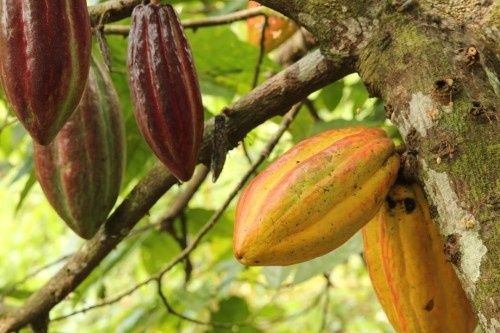
Rethinking the Origins of Fine Chocolate Flavor
A fine chocolate bar is often described by its country of origin, percentage of cocoa, or style of fermentation. Yet the story of flavor begins earlier, inside the living cacao tree. For generations, the industry relied on a tidy division between Criollo, Forastero, and Trinitario, a vocabulary that remains familiar on packaging and in tasting rooms. These names can be useful historical references, but they are not a sufficiently precise map of cacao”s biological diversity.
Modern genetics reveals a more intricate foundation. Before a cacao pod is harvested, fermented, dried, and roasted, its seeds have already inherited the biological potential for certain aromas, textures, bitterness, and levels of astringency. For anyone selecting a carefully crafted bar or an elegant chocolate gift, understanding this hidden heritage adds a new dimension to pleasure. The flavor of a single-origin chocolate is not merely a product of place or technique. It is also an expression of ancestry, carried from the tree into the finished chocolate.
The Scientific Shift Beyond the Traditional Cacao Trinity
The traditional cacao trinity emerged from colonial commerce and early agricultural classification rather than from a complete understanding of cacao populations. Criollo was generally associated with pale beans, fine aroma, and Central American or Caribbean origins. Forastero became a broad term for more robust, productive types, particularly those associated with the Amazon basin. Trinitario described hybrids that developed in Trinidad after a devastating cyclone in 1727 destroyed much of the island”s Criollo planting. Surviving Criollo trees crossed with introduced Forastero, producing descendants that combined aromatic refinement with greater vigor.
This history explains why the three labels still carry sensory meaning, but it also shows their limitations. Cacao trees readily cross-pollinate, and many are highly heterozygous. A single farm, pod, or even tree may therefore contain seeds with different genetic identities. A chocolate described simply as “Criollo” may represent a genuine heirloom population, a selected clone, a mixed planting, or a commercial shorthand. As the research on cacao genetics makes clear, exact identification often requires laboratory testing rather than visual inspection or regional assumption.
A landmark study led by Juan Carlos Motamayor examined a large collection of cacao accessions using microsatellite markers and found ten principal genetic clusters, later discussed alongside an additional group. The results shifted attention away from a simple three-part model toward a population-based understanding of cacao. The PLOS genetic population study identified groups including Marañon, Curaray, Criollo, Iquitos, Nanay, Contamana, Amelonado, Purús, Nacional, and Guiana.
- Marañon is associated with distinctive Upper Amazon genetic resources and contributes to the complexity of northern South American cacao.
- Curaray and Iquitos represent important Amazonian lineages that appear in both traditional populations and modern breeding material.
- Nacional is especially significant for its fine floral character and Ecuadorian history.
- Guiana, along with other regional clusters, demonstrates that geographic terroir cannot be separated neatly from genetic ancestry.
The Upper Amazon displayed particularly high diversity, supporting its importance as a center of cacao origin. For the chocolate enthusiast, this finding changes the question from “Which of the three types is this?” to “Which population, lineage, and local selection helped shape this flavor?” That is a far more rewarding question, especially when comparing bars that appear similar by cocoa percentage but differ markedly in aroma and finish.
Botanical Traits and Precursor Chemistry Inside the Seed
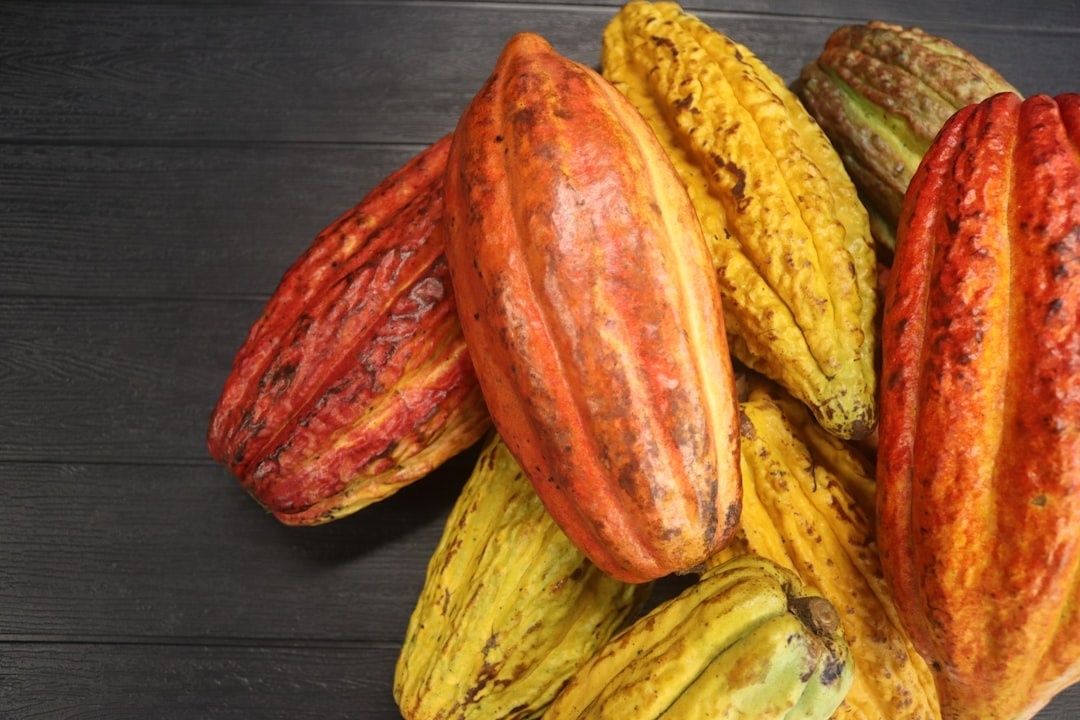
Genetic influence can be observed in the seed before processing begins. When a fresh cacao bean is cut open, its cotyledons may range from nearly white to pink, red, or deep violet. This pigmentation reflects the presence and concentration of anthocyanins, plant compounds that also belong to the broader family of polyphenols. In general, darker pigmentation is often associated with higher levels of polyphenolic compounds and a more pronounced potential for bitterness and astringency, although fermentation and roasting substantially modify the final impression.
The seed”s chemistry is not a finished flavor profile waiting to be unlocked mechanically. Instead, genetics provide a collection of precursors that fermentation and heat transform. Amino acids, reducing sugars, polyphenols, and volatile compounds all participate in the development of chocolate aroma. Compounds such as linalool may contribute to floral impressions, while the balance of amino acids and sugars helps determine the roasted, nutty, caramel-like, or malty notes formed during roasting. The relationship is therefore one of cooperation between tree, environment, microbes, and maker.
| Genetic or botanical feature | Chemical significance | Possible sensory expression |
|---|---|---|
| Pale or white cotyledons | Lower visible anthocyanin pigmentation and often gentler polyphenolic impact | Soft bitterness, creamy texture, mild nuttiness, delicate fruit |
| Red to violet cotyledons | Greater anthocyanin and polyphenol presence, subject to fermentation changes | More structure, bitterness, astringency, red fruit, spice, or earth |
| Floral precursor potential | Volatile compounds such as linalool and related aromatic constituents | Jasmine, orange blossom, bergamot, rose, or lifted perfume |
| Hybrid seed chemistry | Mixed inheritance of flavor and agronomic traits | Broader profiles combining fruit, cocoa depth, spice, roast, or earth |
Pure heirloom lineages can offer remarkable aromatic specificity, but they are not automatically superior in every context. Some are fragile, low-yielding, or vulnerable to disease. Hybrids may provide greater agricultural resilience while retaining selected elements of fine flavor. This is why a chocolate maker must consider genetics alongside fermentation, drying, roasting, conching, and recipe design. The genetic research on Nacional illustrates how ancestry can illuminate flavor history without reducing flavor to genetics alone.
The Legend and Resurgence of Pure Ancient Nacional
Ecuadorian Nacional occupies a special place in the history of fine flavor cacao. For centuries, it was cultivated in Ecuador and became internationally celebrated for its “Arriba” aroma, a floral signature often described through jasmine, orange blossom, honey, and delicate spice. The variety”s story, however, is not one of uninterrupted purity. In the early twentieth century, fungal disease, including witches” broom, devastated native plantations. Subsequent introductions of foreign germplasm helped restore production and improve resilience, but also produced extensive admixture.
That admixture made it increasingly difficult to distinguish traditional Nacional from later hybrids by appearance alone. Genomic research examined ancient-looking individuals and compared them with wild and cultivated cacao from across South and Central America. The strongest relationships pointed toward wild populations in southern Amazonian Ecuador, particularly around the Yacuambi, Nangaritza, and Zamora rivers in Zamora Chinchipe. These findings suggest that the celebrated coastal Nacional may have an older Amazonian history, followed by migration and domestication before European arrival.
Ancient remnant trees carrying this heritage are valuable not only for their flavor but also for what they preserve. Their genetic material may support future breeding that combines fine aroma with disease resistance. The contrast with CCN 51 is instructive. Developed in Ecuador during the 1960s, CCN 51 is a highly productive, precocious, disease-tolerant cultivar with large pods and beans. Genetic characterization found it to be highly heterozygous, with ancestry linked primarily to Iquitos, Criollo, and Amelonado, alongside contributions from other groups including Nacional.
- Pure or near-pure Nacional is prized for floral finesse, lighter aromatic lift, and historical continuity, but can be agronomically demanding.
- CCN 51 offers productivity, vigor, and practical disease resistance, making it important to Ecuadorian agriculture and international breeding.
- Mixed Nacional plantings may retain some floral character, yet their quality and value can vary significantly according to parentage and post-harvest handling.
These distinctions matter when reading a chocolate label. “Ecuador” identifies a place, but terms such as Nacional, Arriba, heirloom, or a named clone can provide a more refined indication of what lies behind the bar. They should still be treated thoughtfully, since labels are not always supported by DNA testing. A careful producer will pair varietal claims with transparent information about farms, harvests, and processing.
A Connoisseur Guide to Tasting Cacao Genetics in Single-Origin Chocolate
Genetic character is easiest to appreciate through comparison. A single bar cannot reveal which notes came from ancestry and which emerged through fermentation or roasting, but a structured tasting can help separate broad tendencies. Begin with chocolate at a cool room temperature, ideally around 18 to 21 degrees Celsius. Break the bar and listen for a clean snap, then smell the freshly exposed surface before tasting. The first aroma may reveal floral, fruit, malt, roast, or earthy impressions that are easily obscured once the chocolate warms.
Keep the tasting conditions consistent. Compare bars with similar cocoa percentages and sugar levels where possible, and note the maker”s roast and fermentation information. A very dark roast can conceal delicate genetics, while a short or uneven fermentation may leave sharp acidity, raw bitterness, or drying astringency. The Amazonian population research provides the genetic framework, but sensory interpretation remains an exercise in careful observation.
- Smell before chewing. Look for high floral notes, fresh fruit, dried fruit, spice, malt, nuts, smoke, or damp earth.
- Let the chocolate melt slowly. The opening impression may reflect sugar and roast, while the middle palate often reveals cacao character more clearly.
- Assess bitterness and astringency separately. Bitterness resembles dark coffee or unsweetened cocoa; astringency creates a drying sensation along the gums.
- Track the finish. Floral Nacional may leave a perfumed, elegant echo, while earthy Amelonado can persist with roasted cocoa, nut, and soil-like depth.
- Compare texture and acidity. Creaminess, brightness, tannic grip, and length can help distinguish a delicate heirloom from a sturdier hybrid profile.
Classic Criollo-associated chocolate may show pale-bean delicacy, restrained bitterness, creamy body, and gentle fruit or spice, although authentic genetic identity should never be assumed from flavor alone. Nacional often announces itself through an elevated floral register, with jasmine or orange blossom appearing above a relatively graceful cocoa base. Amelonado-associated profiles tend to feel more grounded, with earthy cocoa, roasted nut, malt, and a firm but balanced bitterness. These are tendencies rather than rules, since terroir, fermentation microbes, drying conditions, and roasting can alter the portrait dramatically.
For an educational flight, select three or four bars: a delicate Criollo-associated chocolate, a floral Ecuadorian Nacional, an Amelonado or Upper Amazon profile, and a carefully made hybrid such as a bar based on CCN 51 or another named selection. Taste from the lightest and most aromatic to the deepest and most robust. Provide plain water, unsalted bread, and a neutral palate cleanser, then record aroma, acidity, bitterness, texture, and finish. Such a flight turns a luxurious indulgence into a botanical lesson, revealing how different lineages can occupy entirely different sensory registers.
Deepen Your Appreciation for the Living Tree
Every bar of single-origin chocolate represents more than a location on a map. It carries the legacy of wild populations, farmer selection, historical movement, disease pressure, and the difficult decisions that shape modern cacao landscapes. Artisan producers who preserve unusual trees and document varietal material help maintain a living library of flavor. Their work protects genetic options that may become essential as climate conditions, pests, and diseases change.
Choosing varietally conscious chocolate is therefore a pleasure with practical significance. Look for transparent origin statements, named varieties when claims can be supported, responsible sourcing, and makers who distinguish between heritage cacao and commercial hybrid material. Then approach each bar slowly. Beneath the roast and the silky texture lies the quiet influence of a living tree, expressing its ancestry through fragrance, structure, and an elegant finish.
