
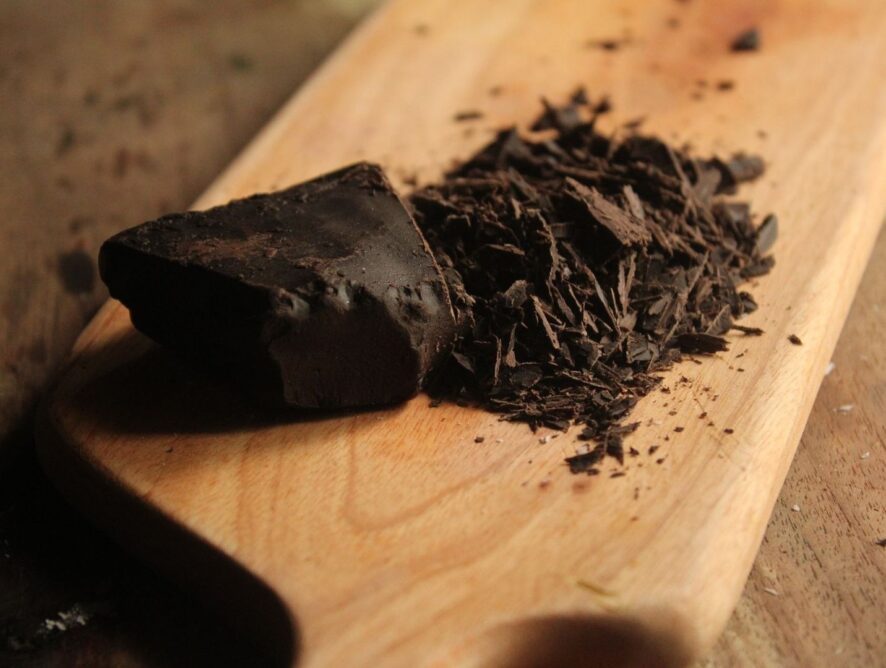
Rediscovering Chocolate as an Ancient Savory Spice
Long before dark chocolate became synonymous with pralines, cakes, and elegant boxed confections, cacao was prepared as a bitter, aromatic drink and culinary ingredient in Mesoamerica. Ground cacao was combined with chiles, spices, maize, and other ingredients, creating preparations that were savory, earthy, and ceremonial rather than conventionally sweet. That history offers an important correction to the modern habit of treating chocolate as a pastry ingredient alone. In the right context, cacao belongs as naturally beside dried chiles, toasted seeds, vinegar, and stock as it does beside cream and sugar.
For the contemporary home cook, high-percentage dark chocolate can function much like a botanical spice. Its flavor is not simply “chocolatey”; it may suggest roasted coffee, black tea, dried fruit, tobacco, toasted nuts, or warm wood. The best bars introduce tannic structure, gentle acidity, and cocoa butter richness without overwhelming a dish with sweetness. A carefully chosen square folded into a sauce can deepen its color, round its texture, and lengthen the finish, much as a small amount of toasted spice or aged vinegar brings a final sense of completeness.
The Chemistry of Balance in Savory Chocolate
The most useful way to understand savory chocolate is to separate its components. Cocoa butter is a refined, aromatic fat that melts smoothly and contributes sheen and luxurious mouthfeel. When incorporated into a reduced pan sauce, braising liquid, or mole, it can soften sharp edges and give the finished preparation a polished, almost lacquered texture. This is especially effective with foods that already possess a firm, roasted character, such as venison, beef, mushrooms, aubergines, and root vegetables.
Cocoa solids contribute the darker architecture. Their polyphenols create bitterness and a drying sensation similar to strong tea, while roasted compounds echo the flavors produced by searing meat, browning onions, or toasting spices. These qualities interact particularly well with rich animal fats, because fat cushions bitterness and carries aromatic molecules across the palate. Research examining cocoa polyphenols and their interactions with dietary components provides useful background for understanding this relationship; a detailed scientific analysis is available through the research on cocoa polyphenols.
- Cocoa powder is relatively low in cocoa butter and works well in dry rubs, spice blends, marinades, and preparations where an even dispersion is needed.
- Solid dark chocolate contains cocoa butter and melts into sauces, braises, and reductions, adding both flavor and body.
- Cacao nibs remain textural, offering a crisp, roasted accent rather than a smooth chocolate character.
Cocoa powder and solid chocolate also respond differently to heat. Unsweetened powder can be bloomed in oil or butter, allowing its aroma to open before liquid is added. Natural cocoa powder retains more acidity, whereas Dutch-process cocoa has been alkalized, producing a darker color and a mellower, less acidic flavor. The distinction is explained clearly in this guide to natural and Dutch-process cocoa. Solid chocolate is best added toward the end of cooking. Prolonged high heat can scorch the milk solids and aromatic compounds, while excessive agitation or insufficient liquid may cause the cocoa butter to separate.
Iconic Traditions from Mexican Mole to Sicilian Caponata
Mexican mole demonstrates the savory potential of cacao with extraordinary clarity. The sauce is not defined by sweetness, but by layering: roasted chiles, onion, garlic, spices, nuts or seeds, stock, and sometimes fruit or bread are combined into a complex preparation in which unsweetened cacao provides depth. Rather than making the sauce taste like dessert, cacao tempers the heat and fruitiness of the chiles, reinforcing their roasted character and giving the sauce a dark, resonant finish. Its culinary history and many regional interpretations are outlined in this overview of mole sauce.
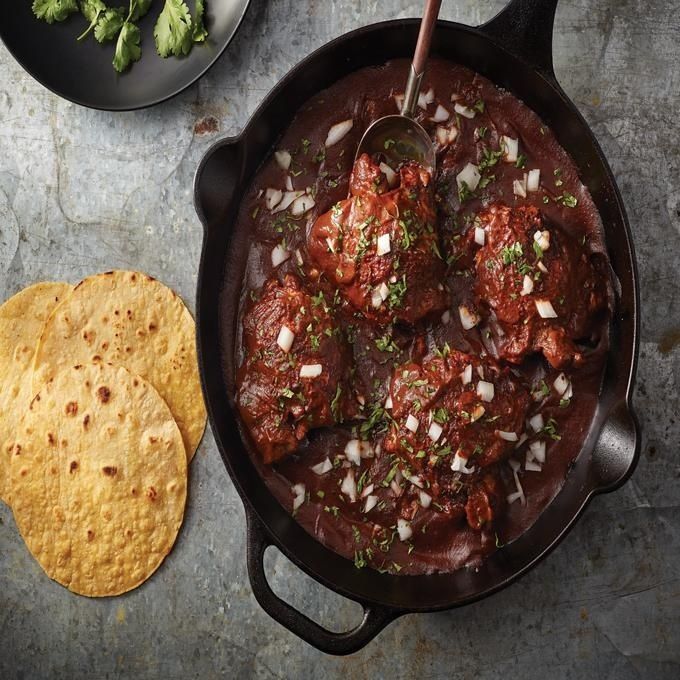
The technique depends on proportion. Too much chocolate can flatten the brighter chile aromas and introduce an unwelcome sweetness, while too little may disappear beneath the spices. Cacao should support the sauce”s architecture, not become its sole identity. A small quantity of high-cacao chocolate can bind together smoky, fruity, bitter, and nutty notes, particularly when balanced with salt, acidity, and a properly seasoned stock.
Sicilian caponata offers a different but equally compelling expression. In Palermo-style versions, fried aubergine and celery meet tomato, olives, capers, vinegar, and sugar in an agrodolce structure. Some Sicilian variations add bitter chocolate or cocoa to this sweet-and-sour preparation, where the cacao acts as a bridge between the vinegar”s brightness, the aubergine”s soft richness, the briny olives, and the sweetness of dried fruit or sugar. The dish is often improved by resting, allowing the flavors to settle and become more integrated before it is served at room temperature.
| Tradition | Primary flavor structure | Acid profile | Role of cacao |
|---|---|---|---|
| Mexican mole | Roasted chiles, spices, seeds, stock, and aromatics | Usually restrained, with brightness supplied by fruit, tomato, or garnishes | Adds bitterness, roasted depth, color, and textural richness |
| Sicilian caponata | Fried aubergine, celery, tomato, olives, capers, and sweet elements | Distinct agrodolce balance from vinegar and sugar | Echoes the bitterness of aubergine and enriches the sweet-sour sauce |
These traditions reveal two valuable principles. In mole, chocolate is part of a deep spice system built around roasting and reduction. In caponata, it participates in a more delicate conversation between bitterness, acidity, salt, and sweetness. Both preparations reward restraint, quality ingredients, and sufficient resting time. The goal is not to announce chocolate immediately, but to create a finish that feels darker, more rounded, and unexpectedly complete.
Mastering Percentages and Culinary Applications in the Home Kitchen
For savory cooking, bars between 70 and 85 percent cacao are generally the most versatile. They offer pronounced cocoa character with enough sugar to prevent the sauce from becoming harsh or austere. A 90 to 100 percent bar can be valuable when a dish already contains sweetness from onions, carrots, dried fruit, wine reduction, or a small amount of honey, but it should be used sparingly. Always taste the chocolate before cooking: some bars emphasize fruit and acidity, while others are more intensely roasted and tannic.
For a venison, beef, or mushroom reduction, the chocolate should be treated as a finishing seasoning rather than a principal ingredient. First, sear the main ingredient and remove it from the pan. Deglaze the fond with wine, stock, or a restrained splash of vinegar, then reduce until the liquid tastes concentrated. Lower the heat before adding chocolate, and finish with cold butter or another suitable fat if the sauce needs additional gloss. This method preserves the aromatic clarity of the cacao while allowing its cocoa butter to enrich the texture.
- Build the base. Brown meat, mushrooms, or aromatics thoroughly, then deglaze the pan and reduce the liquid until its flavor is focused.
- Control the heat. Remove the pan from a fierce flame before adding chocolate. Residual heat is usually sufficient for melting a finely chopped piece.
- Add gradually. Begin with a small amount, whisking until smooth before deciding whether more is needed.
- Restore balance. Adjust with salt, a few drops of wine vinegar or citrus, and herbs such as thyme, rosemary, mint, or coriander.
- Finish and serve. Strain the sauce if desired, then spoon it around the food rather than burying delicate ingredients beneath it.
Temperature matters because chocolate is an emulsion of cocoa solids, cocoa butter, and, depending on the bar, sugar and other ingredients. Scorching can produce acrid bitterness, while rapid heating may encourage the cocoa butter to separate. Finely chopping the chocolate accelerates melting, and adding it to a warm but not boiling liquid helps maintain a smooth texture. Cocoa powder follows a different path: bloom it first in the cooking fat, then add stock or wine gradually to prevent dry clumps. This distinction is particularly useful in spice rubs, chili, braised short ribs, and mushroom sauces.
Pairing Cacao-Infused Entrees with Craft Ales and Full-Bodied Wines
Dark chocolate in a savory dish creates a natural bridge to drinks with roast, bitterness, and weight. A dry stout can mirror the cocoa”s coffee-like notes while its carbonation refreshes the palate after a rich braise. Porters, robust brown ales, and barrel-aged ales can also work well, especially when the dish includes charred meat, smoked chile, roasted mushrooms, or a glossy reduction. Pairing guidance from craft brewing traditions frequently places stouts alongside red meat and chocolate, a combination that becomes even more convincing when cacao is used as a savory seasoning rather than a dessert flavor.
Wine pairings should respect both the dish”s cacao content and its dominant sauce structure. A full-bodied red with mature tannins may suit beef or venison, but excessive tannin can amplify chocolate”s drying quality. Look for wines with generous fruit, moderate acidity, and enough body to stand beside the sauce. For caponata, a bright red or structured rosé can better accommodate the vinegar and tomato than an overly heavy wine.
- Venison with cacao and juniper reduction: barrel-aged stout or a supple, full-bodied red.
- Chocolate-braised beef: robust porter, red ale, or a plush Syrah.
- Roasted mushroom sauce with dark chocolate: brown ale, earthy Belgian ale, or mature Pinot Noir.
- Sicilian caponata with bitter chocolate: dry saison, bright rosé, or a medium-bodied Mediterranean red.
- Chile-rich mole with poultry: dark lager, restrained stout, or a fruit-forward red with moderate tannin.
Embrace the Sensorial Depth of the Savory Cacao Bean
Dark chocolate deserves a place in the savory spice cabinet beside smoked paprika, saffron, mustard, and toasted cumin. Its value lies not in adding obvious sweetness, but in supplying dimension: bitterness that sharpens, cocoa butter that smooths, roasted aromas that deepen, and a lingering finish that makes a sauce feel more complete. The finest results come from using a carefully crafted bar with a clear flavor profile and introducing it with the same precision given to salt or acid.
A single square melted into a pan reduction can transform the relationship between seared meat, stock, and aromatics. A little cocoa can give a chile sauce darker resonance, while grated chocolate can bring quiet complexity to an agrodolce stew of aubergine, olives, and vinegar. Begin with restraint, taste at every stage, and allow the character of the cacao to support rather than dominate the dish. With that approach, weekend cooking becomes an invitation to explore the full sensorial range of the cacao bean, far beyond the pastry case.
