
The Invisible Alchemy Within the Cacao Pod
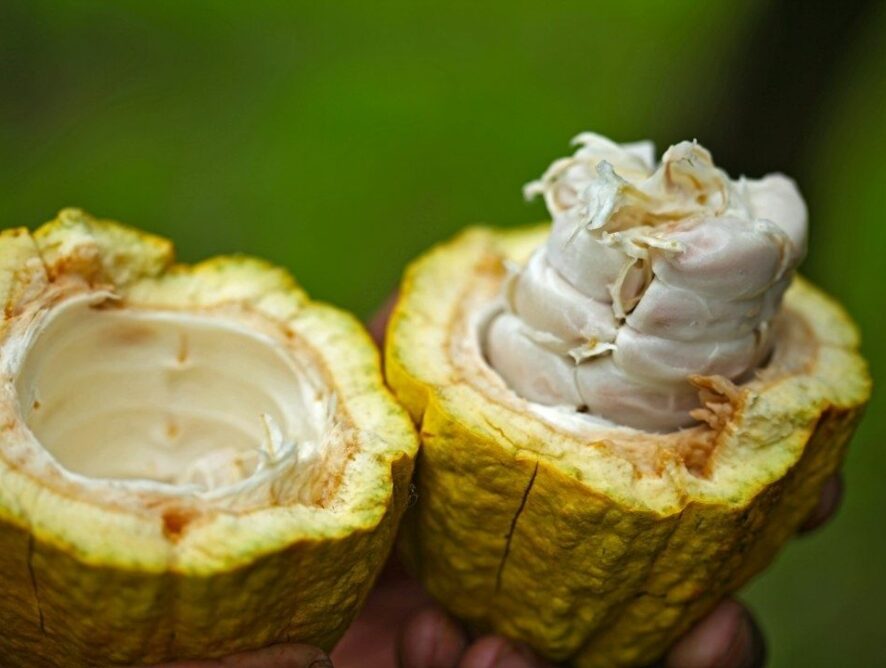
At harvest, a cacao bean is not yet chocolate in any recognizable sensory sense. Freshly removed from its pod, the seed is intensely bitter, sharply astringent, and almost entirely lacking the rounded cocoa aroma associated with a fine bar. Its potential is present, but dormant. The transformation begins in the white pulp surrounding the beans, a sweet, slippery mass rich in sugars, moisture, and organic acids. This mucilage provides both nourishment and habitat for a succession of naturally occurring microorganisms.
Once the pod is opened, yeasts and bacteria activate spontaneously, consuming the pulp and altering the chemistry around the seed. Fermentation is therefore far more than a preliminary agricultural task. It is the first major act of chocolate making, a period in which temperature, oxygen, acidity, turning, drainage, and timing are carefully balanced. Emerging research into microbial ecology, including work examined in recent microbial studies, is revealing how finely orchestrated this invisible ecosystem can be. The farmer or fermentation specialist is not simply preserving cacao, but guiding a living process that will influence the eventual bar’s fruit, acidity, texture, bitterness, and finish.
The Microbial Relay Race from Wild Yeasts to Acid Sculptors
Cacao fermentation unfolds as a relay race rather than a single microbial event. Each group of organisms changes the environment in ways that favor the next group. The exact rhythm varies with cultivar, climate, pulp composition, batch size, and farm practice, but the broad sequence is remarkably consistent.
- Yeasts begin in an oxygen-poor environment. Indigenous yeasts consume simple sugars and, to a degree, citric acid in the pulp. Their metabolism produces ethanol, carbon dioxide, and aromatic compounds such as esters, which can contribute impressions of ripe fruit, flowers, and soft sweetness.
- Lactic acid bacteria take advantage of the changing pulp. As the mucilage liquefies and drains away, lactic acid bacteria proliferate. They convert available sugars and acids into lactic acid and related metabolites, gradually lowering pH and preparing the bean tissues for deeper chemical change.
- Acetic acid bacteria enter during aeration. Turning the beans introduces oxygen, allowing acetic acid bacteria to oxidize ethanol into acetic acid. This reaction releases substantial heat, and the fermenting mass can reach approximately 50 degrees Celsius. Heat and acid then move through the shell and into the cotyledon.
The first stage is responsible for much of fermentation’s aromatic promise. Yeast activity can generate fruity and floral precursors, while the later bacterial stages determine how those precursors are preserved, modified, or overwhelmed. Lactic acid bacteria help create a more acidic environment without necessarily producing the piercing quality associated with excessive vinegar. Their activity also contributes to the softening of the pulp, which improves contact between the beans and the organisms around them.
The thermal surge is the decisive turning point. Acetic acid bacteria are not merely adding sourness; they are creating the heat and acidity that penetrate the seed, interrupt germination, and activate enzymes within the cotyledon. Research on Colombian farms has shown that even the upper and middle layers of a fermenting mass can develop different microbial patterns because exposure to air, heat, and drainage is uneven. This is why apparently small differences in turning schedules or heap dimensions may later emerge as striking differences in aroma and balance.
The Acetic Acid Threshold and Flavor Architecture
Acetic acid is indispensable in the right quantity, yet unforgiving when allowed to dominate. Together with heat, it causes the critical enzymatic kill step that ends the bean’s viability. This prevents the seed from germinating and redirects its internal chemistry toward the formation of chocolate flavor. Acid also enters the cotyledon, where it promotes enzymatic reactions that reshape proteins, sugars, pigments, and polyphenols.
One important consequence is the gradual moderation of raw cacao’s severe astringency. Polyphenols, including catechins, epicatechin, and procyanidins, are associated with the dry, puckering sensation familiar in under-fermented cacao. During fermentation, oxidation and enzymatic activity alter these compounds and reduce the most aggressive edges. The result is not the removal of all structure. In a well-made dark chocolate, a restrained tannic grip can provide lift and definition, much as acidity gives shape to wine.
- Bright, desirable acidity may suggest red berries, citrus peel, hibiscus, or fresh stone fruit.
- Balanced fermentation allows acidity to support cocoa depth rather than conceal it.
- Over-acidification can produce harsh vinegar, solvent, or sour dairy impressions that remain evident even after roasting.
- Insufficient fermentation often leaves a bean excessively bitter, green, flat, or drying on the palate.
The organisms responsible are themselves diverse and highly sensitive to conditions. A study of cacao fermentations in six regions of Ivory Coast found communities dominated by Acetobacter pasteurianus, Acetobacter tropicalis, and Acetobacter okinawensis, with other species appearing in smaller, region-specific numbers. The research, published in a detailed study of acetic acid bacteria, showed that strains differ in their tolerance of ethanol, temperature, and pH. Such variation helps explain why two farms using apparently similar procedures may produce beans with very different acid profiles.
Temperature is especially consequential. Some strains produce acetic acid vigorously near 30 degrees Celsius but become less productive at higher temperatures, while others tolerate more ethanol or favor lower pH. This makes fermentation a moving target. A batch that begins with a lively fruity aroma can become sharp and austere if aeration is excessive, or dull and underdeveloped if oxygen arrives too late. Fine cacao depends on reaching the threshold at which acid and heat transform the seed without allowing either to dominate it.
Heap versus Tiered Boxes and the Geography of Taste
Traditional heap fermentation places wet cacao beans directly on banana leaves or another clean surface, often with the mass covered to retain warmth. The method can be humble yet remarkably expressive. Heat builds unevenly, with warmer interiors and cooler edges, creating small ecological zones within a single batch. These gradients may encourage a rustic complexity, often associated with deep molasses, dried fruit, earth, or warm spice notes. They can also create inconsistency if the heap is too small, poorly covered, insufficiently turned, or left to ferment beyond its ideal endpoint.
Tiered wooden boxes offer a more structured environment. Beans can be loaded into one box and moved between levels as fermentation progresses, allowing aeration and mixing to be managed with greater regularity. Liquefied pulp drains by gravity, while the wooden walls retain heat without sealing the mass completely. Properly operated boxes may produce a more even enzymatic progression and a cleaner expression of origin, although they require labor, equipment, monitoring, and experienced judgment.
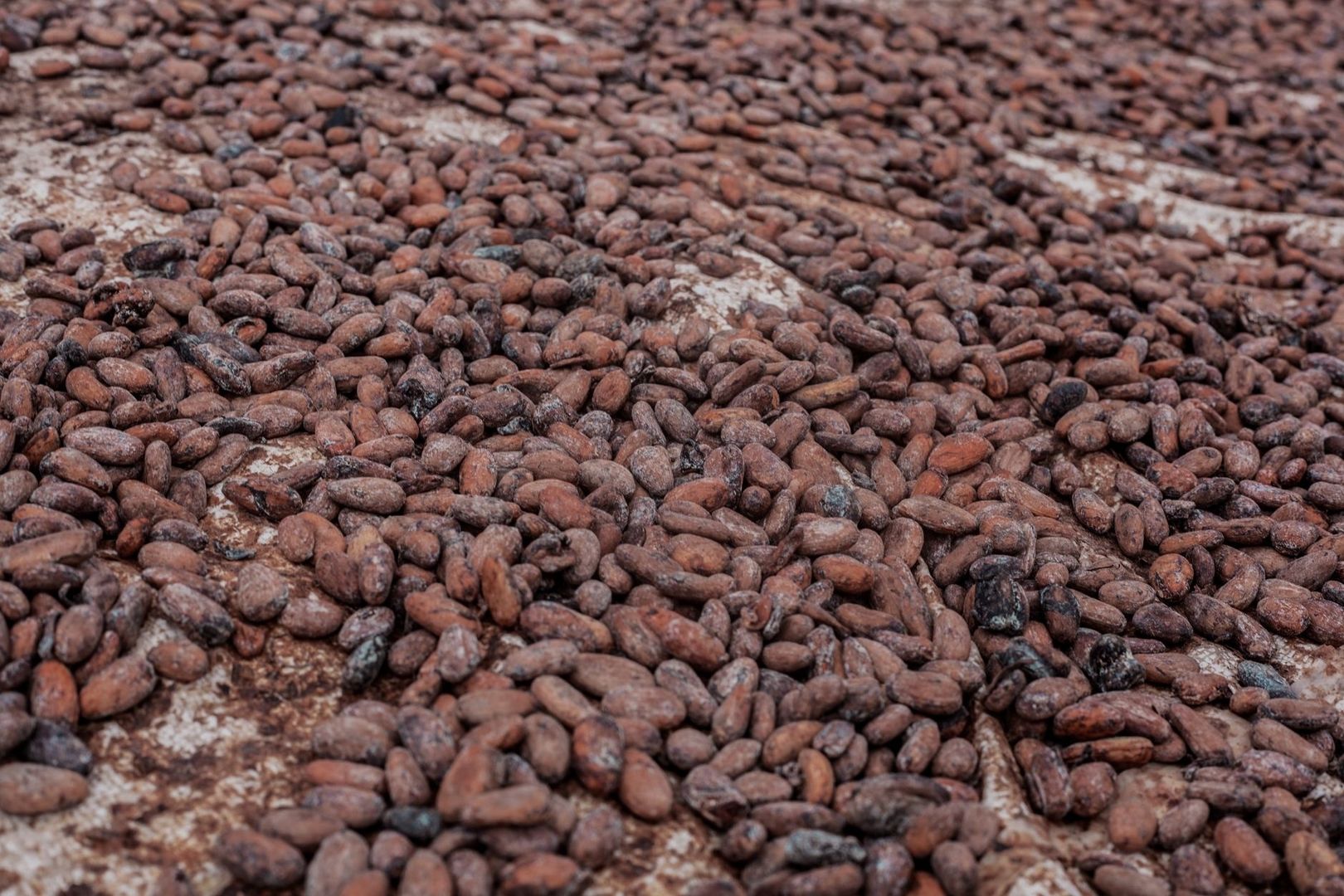
The central lesson is that neither structure guarantees superior cacao. Quality depends on fresh beans, hygienic handling, sufficient mass, appropriate turning, temperature and pH awareness, timely stopping, and careful drying. A controlled heap with trained producers can outperform a neglected box, while a well-managed box can bring exceptional consistency to a large or valuable harvest. Fermentation geometry becomes part of terroir because it determines how the local microbial community experiences oxygen, heat, moisture, and time.
| Fermentation feature | Banana-leaf heap | Tiered wooden boxes |
|---|---|---|
| Aeration | Less uniform, shaped by turning and heap size | More deliberately managed through transfers and mixing |
| Temperature control | Strong internal gradients and edge effects | More even when box volume and timing are well controlled |
| Labor requirements | Lower equipment investment, but still dependent on careful oversight | Higher investment and labor for movement, cleaning, and monitoring |
| Typical sensory tendency | Rustic depth, molasses, earth, dried fruit, or spice | Cleaner fruit, balanced acidity, and greater batch consistency |
Identical cacao from the same valley can therefore produce dramatically different bars. A late turning may retain a softer, more fruit-led character, while vigorous early aeration can accelerate acetic acid production and deepen cocoa-toned notes. Layer position matters as well. Beans at the edge may remain cooler and less transformed than those in the center. The finest producers treat these differences as process variables, not accidents, using them to shape a distinctive but coherent flavor profile.
From Farm Protocol to the Connoisseur Tasting Palette
Fermentation fingerprints can be read on the palate, especially when tasting single-origin chocolate with attention to sequence rather than sweetness alone. Red berry brightness, wine-like lift, and floral freshness may indicate a fermentation that preserved aromatic potential without allowing acidity to become aggressive. Deeper earthy cocoa, molasses, dried plum, and toasted nut impressions often suggest a longer or more thermally intense transformation, although roasting and recipe design also influence these notes.
- Notice the opening aroma. Fruit, flowers, malt, and fresh cream may point toward volatile compounds developed during fermentation.
- Observe the first texture. A silky, cohesive melt suggests that fermentation, roasting, refining, and tempering have been handled with discipline.
- Measure the astringency. A gentle drying sensation can add structure, while severe puckering usually indicates imbalance or incomplete transformation.
- Separate acidity from sourness. Elegant acidity lifts the cocoa; a vinegary note protrudes, persists, and obscures the origin character.
- Follow the finish. Fine cacao leaves a layered echo of fruit, spice, caramel, or cocoa rather than a single sharp impression.
Intentional terroir acidity feels integrated. It may arrive as cranberry, tamarind, citrus, or red wine, then soften into cocoa and floral nuance. A defective vinegary character is more linear and intrusive, often tightening the mouth and remaining on the tongue without developing. The distinction is easiest to make when chocolate is tasted slowly, in small pieces, at a comfortable room temperature and without strongly flavored food nearby.
Remember that fermentation is one part of a longer chain. Drying must remove moisture gradually and cleanly, roasting develops additional aroma through heat-driven reactions, and refining determines how gracefully the finished chocolate melts. No later stage can completely repair badly fermented beans. For a discerning buyer, a single-origin label becomes more meaningful when paired with attention to the maker’s post-harvest practices, traceability, and stated flavor intentions.
Savoring the Microbial Legacy in Every Single Origin Square
Every fine chocolate bar carries a history that begins before roasting, refining, or tempering. It begins inside a cacao pod, where sweet pulp feeds an unseen succession of yeasts and bacteria. Their work changes the seed’s temperature, acidity, enzymes, pigments, and aromatic precursors, establishing much of the character later revealed as berry, blossom, spice, malt, or deep cocoa.
For the connoisseur, this offers a richer way to taste. A single-origin chocolate is not only an expression of soil, climate, cultivar, and human technique. It is also an expression of microbial terroir, shaped by local organisms and by the patient decisions governing heat, oxygen, turning, and time. Let each square melt slowly, notice its changing balance, and consider the invisible ecosystem that made its elegance possible. The most luxurious complexity in chocolate is often the result of work that remains unseen.
